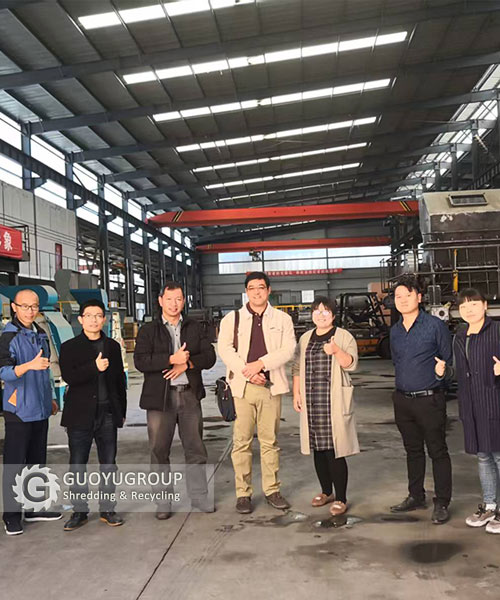
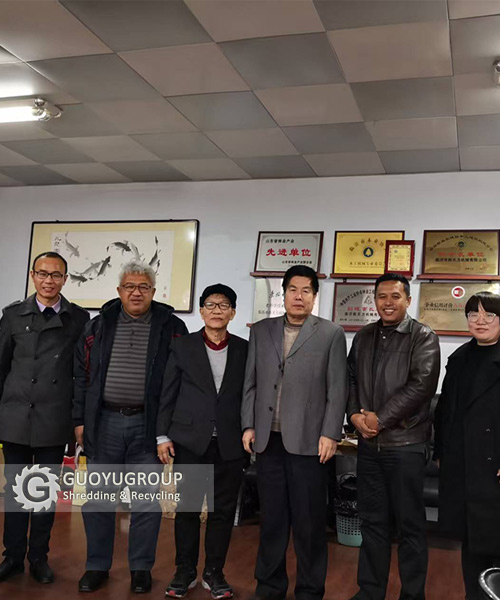
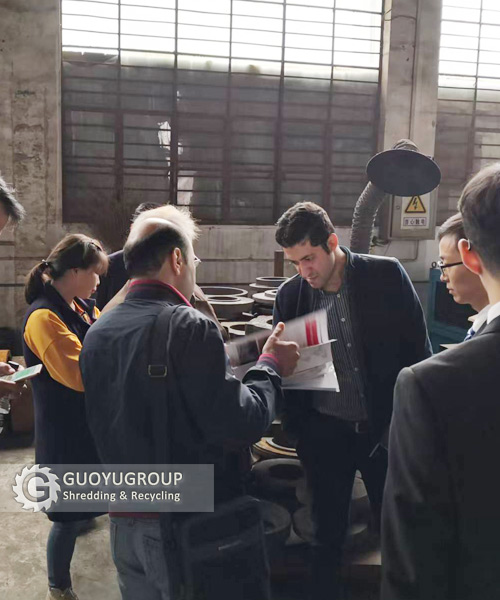
20+ Years Manufacturing Experience

Professional Wood Chipper Machine Manufacturer

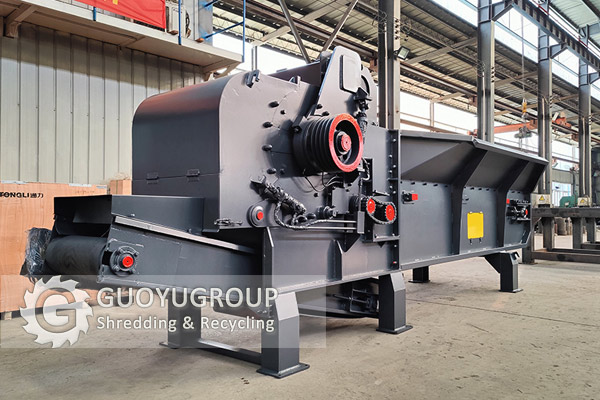
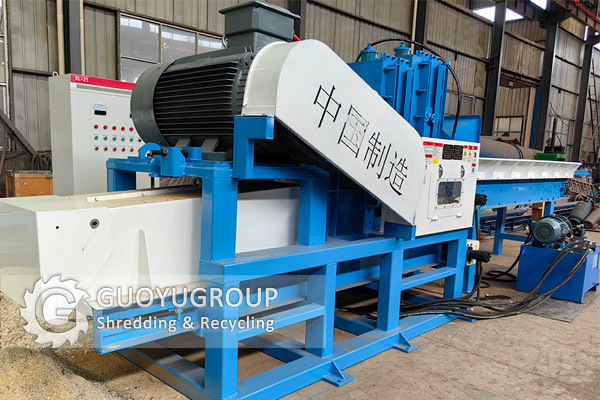
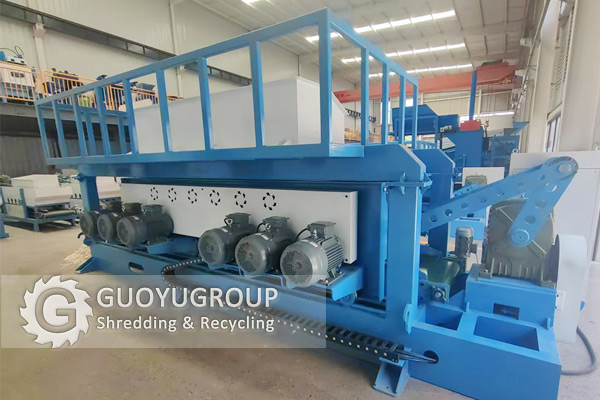
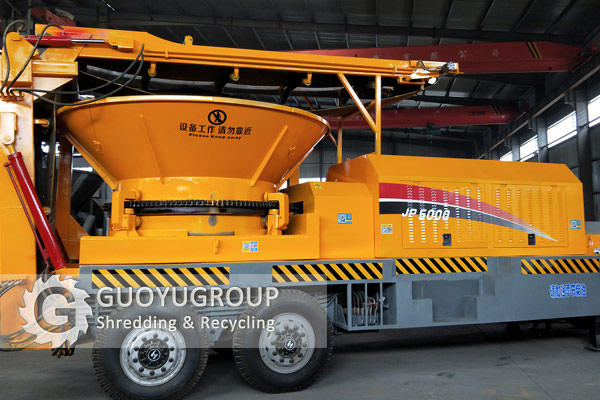
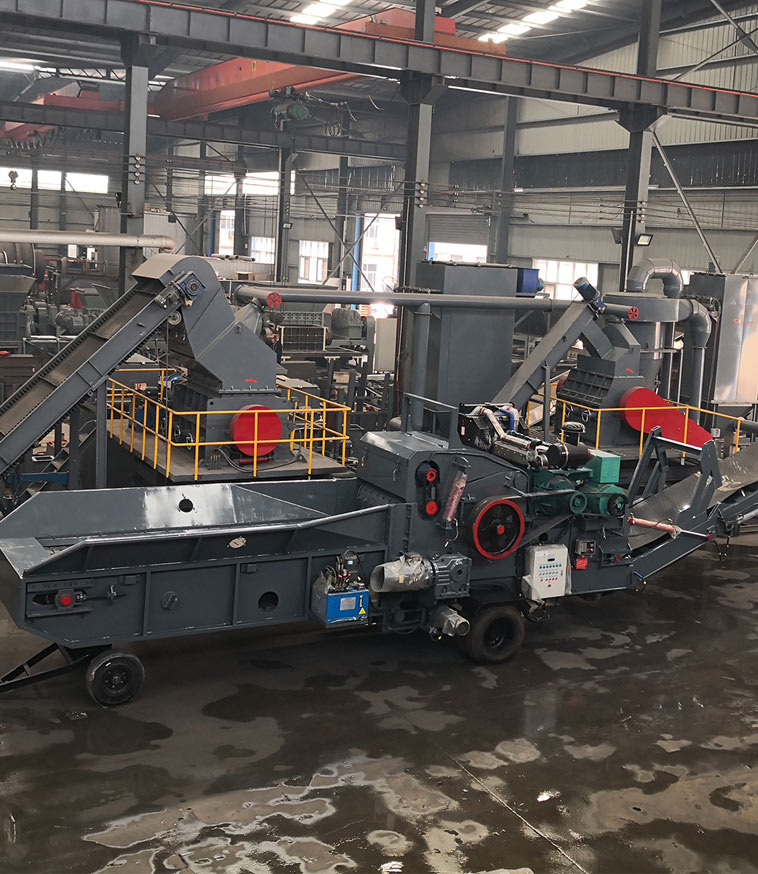
High Quality wood chippers are used for various purposes. Can process logs, branches, bamboo, coconut shell, wood pallets and various biomass wastes into uniform wood chips, wood mulch, sawdust and fine powder.

Factory-direct Price | Various Capacity 1–40 t/h | Strict Quality Control | Low Maintenance Cost

Trusted by 1000+ Clients

Get A Free Quote

Professional engineering & production

Why Buyers Prefer Our Wood Chipper

With more than 20 years of manufacturing experience, GUOYU Machinery specializes in wood chippers for wood process and timber recycling projects.

What Makes Us Different

High Productivity & Reliable Performance

Need higher capacity, lower downtime, and clean chips for biomass production? Our machine is built for the job. The powerful cutting system and stable feeding structure keep the output steady—even with mixed materials like logs, branches, or waste wood.

One-Stop Solution

Solve All Your Wood Processing Tasks in One Place

From local landscaping to large-scale biomass plants, wood processing never stops. Built for outdoor work sites and factory production lines, this chipper ensures efficient cutting, stable feeding, and minimal downtime across all applications, helping you run faster, cleaner, and more profitably.

Longer service life

Strong Manufacturing & Quality Control

As a direct factory manufacturer, we control every production step—from steel cutting and welding to drum balancing, blade assembly and final testing. Each wood chipper is built to deliver strong cutting force, continuous operation, and long service life.

Not just a trading company — we have our own factory, engineers, production team, and testing equipment.

Every cutting drum goes through precision balancing to reduce vibration, protect bearings, and extend machine life.

Blades are made from high-grade alloy steel and heat-treated for wear resistance.

No need to worry about future maintenance. We keep blades, bearings, screens, belts and critical parts in stock.

Trusted by worldwide

1000+ Project Installed in 60+ Countries & Regions

10T/H Wood Shredder Machine

Indonesia

GY218 Drum Wood Chipper Machine

Malaysia

GY216 Drum Wood Chipper Machine

Indonisia

20-30T/H Particle Board Production Line

Philippines

10-40 T/H Industrial Wood Chipper Machine

Iran

3–20 T/H Biomass Fuel Production Machine

Thailand

Client Testimonials

What Our Clients Say About GUOYU

We don’t just sell machines — we provide long-term support. Fast delivery, custom configurations, stable performance and professional after-sales service help our customers reduce downtime and improve productivity.

Michael Anderson Canada

We have used GUOYU wood chipper for over 18 months. It works 8 hours daily with almost zero downtime. Very solid build and reliable components. This machine increased our efficiency and reduced labor cost significantly.

Emily Roberts USA

We needed a larger hopper and different output size. GUOYU redesigned the machine based on our request and delivered exactly what we wanted. Custom-made but fast delivery — very professional service.

Liang Chen Malaysia

The machine arrived earlier than expected, well packed and ready to run. When we needed installation support, the technicians guided us step-by-step through video call. Excellent after-sales service.

Carlos Ramirez Chile

We compared several suppliers in China. GUOYU offered the best price-to-performance ratio. The chipper is powerful, safe and fuel-saving. We will purchase more units this year.

Viktor Ionescu Romania

Our main concern was chip size consistency. GUOYU chipper produces uniform wood chips and meets our biomass fuel requirement perfectly. It helped us increase product quality and market competitiveness.

Consulting & FAQs

What is a Wood Chipper Machine? A Comprehensive Guide

In sectors such as forestry harvesting, wood processing, and landscaping, vast amounts of wood waste are generated—ranging from thick tree trunks and pruned branches to scrap materials from furniture production and discarded shipping pallets. These bulky waste materials occupy significant storage space. Traditional incineration not only pollutes the environment but also violates environmental regulations, while landfilling results in severe resource wastage.

With rising global environmental awareness, the emergence of wood recycling, biomass energy development, and sophisticated landscaping projects, efficiently processing wood waste for resource utilization has become a core challenge across industries.

Against this backdrop, wood chipper Machines have emerged. These specialized machines for processing wood waste can transform various wood materials into uniformly sized wood chips, sawdust, or fine powder, fundamentally resolving the challenges of wood waste disposal.

Fundamentally, a wood chipper is a specialized machine that uses mechanical power to drive cutting components, processing various wood raw materials into smaller wood chips, sawdust, or fine powder. It is not merely a "cutting tool" but an integrated automated processing system encompassing feeding, cutting, screening, and discharging.

Regarding material processing capabilities, wood chippers demonstrate exceptional adaptability. They can handle fresh logs, pruned branches, stumps, industrial waste like discarded pallets, wood scraps, board offcuts, and even harder materials such as bamboo, coconut shells, and eucalyptus.

It is important to clarify that the "chipping" function of wood chippers differs fundamentally from common "grinding" or "crushing": Chipping primarily processes wood into relatively uniform, regular-shaped flakes or granular material with high utilization rates; Pulverization focuses on reducing materials to sawdust or fine powder, typically for specialized fine processing applications; while crushing targets large timber or waste wood, breaking it down into smaller block-shaped raw materials for subsequent processing.

Each process differs in precision, output form, and application scenarios. Wood chippers often allow for multi-specification output—from coarse chips to fine powder—by adjusting equipment parameters according to requirements.

Specifically, wood chippers produce four primary output specifications:

  • Standard chips (3-5 cm)
  • Small particles (10-50 mm)
  • Sawdust (1-10 mm)
  • Fine powder (<1 mm)

Each specification serves distinct application scenarios.

The design and quality of a wood chipper's core components directly determine processing efficiency, product quality, and equipment longevity. Below are the five core components of wood chippers and their functional breakdowns:

1.  Feed System

The feed system serves as the entry point for raw wood materials into the machine, with its stability directly impacting processing efficiency. Common feeding methods include belt conveyors, chain conveyors, and hydraulic feed systems.

Belt conveyors are suitable for small to medium-sized, uniformly textured materials, offering fast transport speeds and low noise levels. Chain conveyors handle thicker, heavier logs or hardwoods with superior load-bearing capacity; hydraulic feed systems use hydraulic power to control feed speed, automatically adjusting based on material hardness to prevent equipment overload, making them suitable for processing diverse complex materials.

2. Cutting Rotor and Blades

The cutting rotor and blades are the core components enabling the wood chipper's chipping function. The rotor spins at high speeds to drive the blades in cutting the wood, typically operating at hundreds to thousands of revolutions per minute.

Blades are often made of high-strength alloy steel, undergo special heat treatment for high hardness and wear resistance, and can be replaced with different shapes to produce various finished product specifications. A well-designed rotor structure also reduces operational vibration, enhancing equipment stability.

3. Power System

The power system provides the core driving force for the equipment, primarily categorized into electric motors and diesel engines.

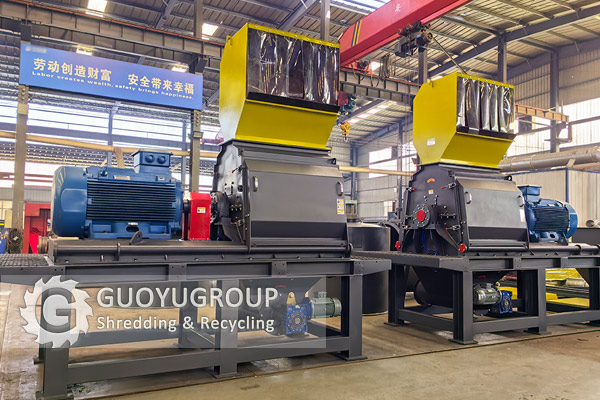
Electric motors are suitable for fixed-location production, such as factory workshops and large recycling stations. They offer advantages including low energy consumption, minimal noise, stable operation, and compliance with environmental requirements.

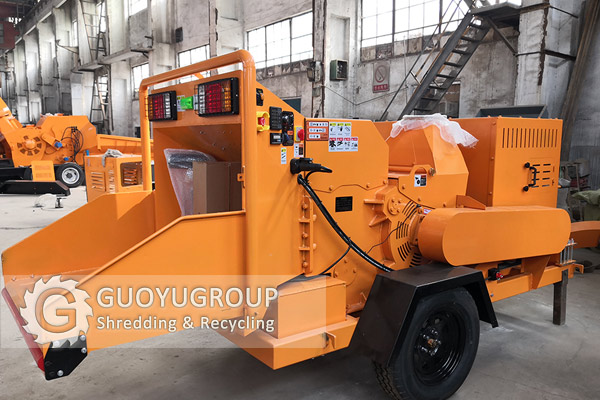
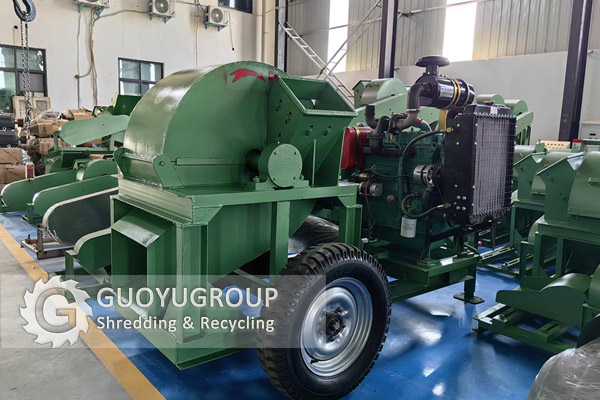
Diesel engines, requiring no external power source, offer high mobility and are ideal for outdoor operations like forest harvesting sites and landscaping construction sites. They can adapt to remote environments without electricity supply.

4. Discharge System

The discharge system transports processed wood chips or sawdust to designated locations, commonly via belt conveyors, blower conveyors, or hopper collection. Belt conveyors suit high-volume continuous production, delivering finished products directly to storage silos or transport vehicles.

Fan conveyance uses airflow to transport lightweight sawdust or fine particles into sealed storage tanks, minimizing dust pollution; Hopper collection suits low-volume processing, with finished products dropping directly into hoppers for simplified operation.

5. Control Panel and Safety Devices

Modern wood chippers typically feature intelligent control panels. Operators can set parameters like feed speed, cutting rotation speed, and finished product dimensions via the panel to achieve automated production.

Additionally, the equipment incorporates comprehensive safety features such as feed inlet guards, overload protection devices, and emergency stop buttons. These effectively prevent accidents caused by operator error or abnormal raw materials, ensuring the safety of both personnel and machinery.

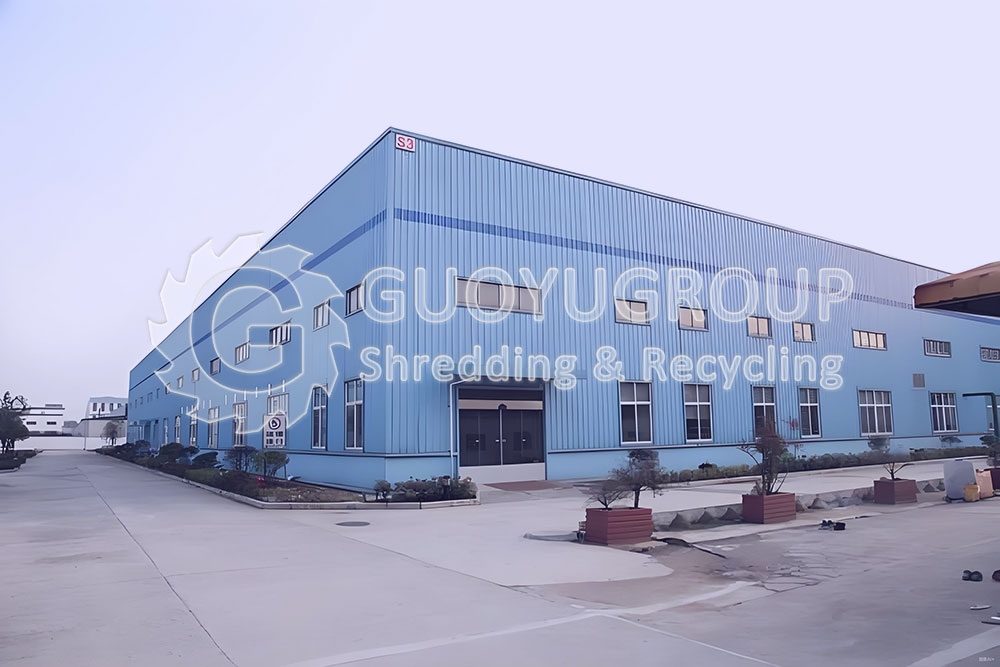
Though seemingly complex, the wood chipper's workflow can be broken down into four core steps, characterized by high automation and user-friendly operation:

  1. Material Feeding: Operators feed timber into the machine via the feeding system. Feeding speed can be adjusted through the control panel based on material size and hardness. For oversized materials, some models feature pre-processing units to break them down to suitable dimensions.
  2. High-Speed Cutting and Chipping: Once inside, the material encounters a high-speed rotating cutting rotor with blades that perform continuous cutting. Blade sharpness and rotor speed jointly determine chipping efficiency. High-quality blades ensure clean cuts and minimize material waste.
  3. Screening and Grading: Post-cutting material passes through an integrated screening device. This device separates compliant material based on preset finished product dimensions, while non-compliant material is returned to the cutting zone for reprocessing, ensuring uniform finished product size.
  4. Finished Product Discharge: Qualified products are conveyed via the discharge system to designated storage units or transport vehicles, completing the processing cycle. Some advanced models also feature automatic packaging of finished products, enhancing subsequent handling efficiency.

Additionally, modern wood chippers incorporate multiple optimization features: - Automatic feed systems adjust material intake speed based on operational load to prevent overload. - Overload protection devices automatically shut down the machine when load exceeds rated capacity, safeguarding motors and cutting components. - Some models include dust extraction and noise reduction systems to minimize dust emissions and noise pollution during processing, meeting environmental standards.

Based on processing requirements, raw material types, and application scenarios, wood chippers can be categorized into multiple types. Different models emphasize distinct performance characteristics and application scopes. Below is an analysis of six common types:

1. Disc Wood Chipper

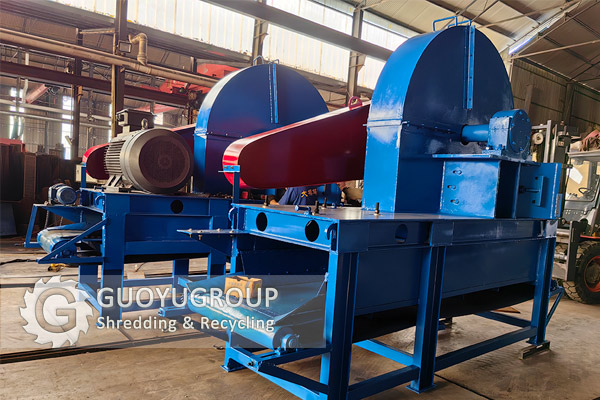
The disc wood chipper centers on a circular cutting disc as its core component. Blades mounted on the disc achieve chipping through high-speed rotation. Their advantage lies in high cutting precision, producing uniformly sized wood chips with smooth edges. This makes them suitable for scenarios demanding high-quality output, such as paper mills and engineered wood factories (MDF, particleboard production). Additionally, disc chippers feature relatively low energy consumption and stable operation, making them a common choice for small to medium-sized processing plants.

2. Drum Wood Chipper

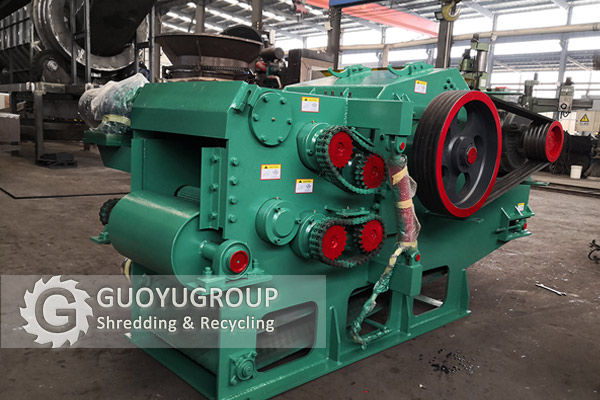
The core component of a drum chipper is a cylindrical drum body with blades arranged axially along its surface. When the drum rotates at high speed, the blades cut the wood. This equipment features a large feed opening and high processing capacity, making it suitable for handling large logs, waste pallets, thick wood panels, and similar materials. Hourly output can reach several tons to tens of tons, making it widely used in high-volume production scenarios such as large wood recycling stations and biomass energy plants.

3. Mobile Wood Chipper

Mobile wood chippers feature trailer-mounted or wheeled designs, enabling transportation to job sites like forest harvesting areas or landscaping projects via towing vehicles. Powered by diesel engines, they operate independently of external power sources, swiftly processing on-site wood waste to eliminate transportation costs and logistical challenges. Their high mobility and flexible operation make them essential equipment for forestry and landscaping industries.

4. Industrial-Grade Electric Wood Chippers

Industrial-grade electric wood chippers utilize high-power electric motors for stable operation with low energy consumption, making them suitable for continuous production in fixed locations like factory workshops. Featuring high processing precision and automation, these machines enable 24/7 uninterrupted operation and are widely used in industries such as engineered wood, papermaking, and wood deep processing.

5. Diesel-Powered Wood Chipper

Powered by a diesel engine, this chipper operates independently of external power sources, making it suitable for remote areas or outdoor applications without electricity. Its robust motor handles high-density wood materials, though it produces higher noise levels and energy consumption. It is best suited for short-term, highly mobile processing needs.

6. Combined Shredding and Crushing Machine

The combined shredding and crushing machine integrates chipping, shredding, and crushing functions. It processes diverse mixed wood waste, including scrap pallets with nails, furniture scraps, branches, and stumps. Through interchangeable processing modules, it achieves multi-specification outputs ranging from blocky raw materials to fine powder. Its exceptional adaptability makes it ideal for comprehensive wood recycling stations or scenarios handling various waste wood types.

Wood chippers handle an exceptionally broad range of materials, encompassing nearly all types of woody substances. These can be categorized as follows:

  • Natural wood materials:Includes logs, branches, stumps, bark, and other parts from various trees. Both softwoods and hardwoods can be processed using appropriately sized equipment.
  • Industrial waste wood: Such as discarded pallets, wooden crates, wood panel offcuts, furniture production scraps, and board trimmings. These industrial wastes can be recycled and reused after processing by chippers.
  • Special wood materials:Including bamboo, coconut shells, eucalyptus, pine, and other materials with unique textures or higher hardness. Specialized chipper models can efficiently process these.
  • Landscaping and municipal wood waste: Such as branches and fallen leaves from garden trimming, as well as waste wood and dead trees cleared during municipal projects. After processing by chippers, these can be converted into mulch for landscaping or biomass fuel.

It is important to note that different types of wood chippers have specific requirements for material size and hardness. Before processing, raw materials should undergo appropriate pretreatment based on equipment parameters to ensure processing efficiency and equipment safety.

Compared to traditional wood waste disposal methods, wood chippers offer significant economic and environmental benefits, manifested in the following aspects:

  • Reduced waste disposal costs: Traditional incineration and landfill methods incur high processing fees and potential environmental penalties. Wood chippers transform waste into usable products, eliminating disposal costs while generating additional revenue through product sales.
  • Enabling Resource Recycling:Converting wood waste into high-value products like biomass fuel and engineered wood materials extends the timber resource value chain, enhances resource utilization, and aligns with the principles of a circular economy.
  • Efficient Continuous Production: Modern wood chippers feature high automation, enabling 24/7 continuous operation. Hourly output ranges from several tons to dozens of tons, far surpassing traditional methods in efficiency and meeting large-scale processing demands.
  • Energy-efficient, safe, and eco-friendly:Electric chippers feature low energy consumption and minimal operational noise. Optimized diesel models meet environmental emission standards. Integrated dust collection systems effectively reduce particulate pollution, while safety guards ensure operator protection.
  • Wide applicability:Whether for small landscaping companies, individual farmers, large wood processing plants, or biomass energy enterprises, suitable wood chipper models can be found to meet diverse needs, offering exceptional flexibility in application scenarios.

With their broad adaptability and high-value output, wood chippers have become indispensable core equipment across multiple industries. Below are six major application sectors:

  1. Biomass Energy Industry: Processes wood waste into wood chips or pellet fuel for power generation in plants, industrial boiler heating, and residential heating—a key device in renewable energy development.
  2. Wood Processing & Furniture Industry: Handles production offcuts and scrap wood, converting them into engineered wood raw materials or sawdust to achieve internal resource recycling and reduce production costs.
  3. Wood Recycling Industry: Centralized processing of discarded pallets, crates, and scrap wood into high-value finished products, serving as the core equipment enabling profitability in recycling operations.
  4. Pulp and Paper Industry: Processing logs and branches into uniform wood chips as the core raw material for pulp and paper production, ensuring consistent paper quality.
  5. Landscaping and Agriculture Industry:Processes waste wood from landscaping trimmings into mulch for nursery stock maintenance; or converts it into mushroom substrates, animal bedding, and other materials for agricultural applications.
  6. Municipal Waste Management Industry:Treats municipal waste like discarded wood and dead trees from urban cleanup operations, transforming them into biomass fuel or compost feedstock to enhance resource utilization rates in municipal waste processing.

Choosing an appropriate wood chipper requires considering your processing needs, raw material characteristics, and application scenarios, while comprehensively evaluating the following six key factors:

Production Capacity Requirements:

Select equipment with corresponding output based on daily or hourly processing volume. Small-scale operations (e.g., landscaping) may opt for units processing 1-5 tons per hour; large factories or recycling facilities require high-capacity equipment exceeding 10 tons per hour.

Raw Material Size and Hardness

For large-diameter logs (e.g., over 30 cm) or hard materials (e.g., hardwoods, bamboo), select drum-type or specialized chippers with large feed openings and high cutting power. For small branches or scrap wood, disc-type or compact chippers suffice.

Finished Product Size Requirements

Determine the required finished product size based on its application scenario and select equipment with corresponding screening devices. For producing fine powder used in wood-plastic composites, choose integrated machines with pulverizing capabilities.

Power Type Selection

For stationary production with stable power supply, prioritize electric chippers for low energy consumption and environmental friendliness. For outdoor operations or locations without electricity, select diesel-powered chippers to ensure mobility and practicality.

Operational Environment Conditions

For indoor work, stationary equipment saves space and facilitates operation. For outdoor or mobile operations (e.g., forest harvesting), mobile chippers are essential to enhance operational flexibility.

Safety and Maintenance Costs

Select equipment with comprehensive safety guards to reduce accident risks. Additionally, prioritize products with easy-to-replace wear parts (e.g., blades, bearings) and robust after-sales support to minimize long-term maintenance expenses.

Choosing a dependable manufacturer is crucial for ensuring equipment quality, performance, and after-sales service. Below are core considerations when selecting a manufacturer, along with pitfalls to avoid:

Assessing the Manufacturer's Core Competitiveness

  • Production Experience and Certification: Prioritize manufacturers with over 5 years of production experience, as they typically possess more mature technology and deliver more stable product quality. Additionally, verify international certifications like CE and ISO, along with domestic quality inspection reports, to confirm compliance with industry standards.
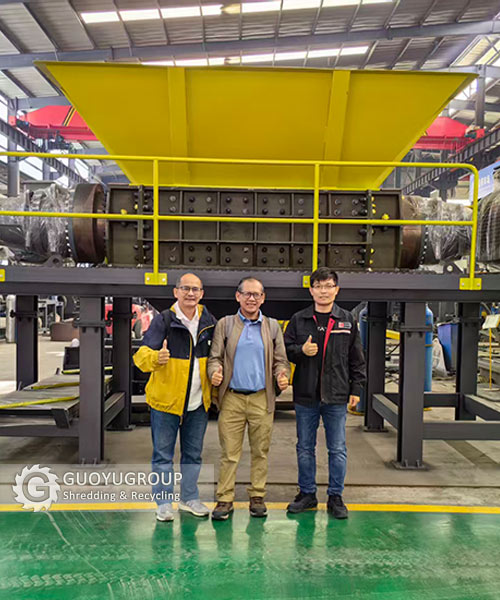
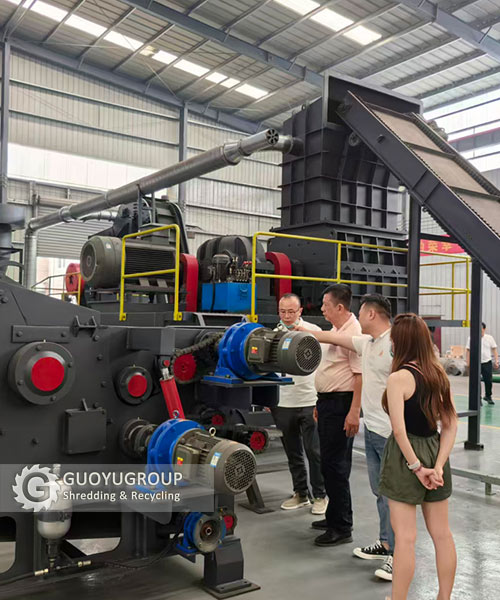
  • Factory Scale and Production Capabilities: Conduct on-site inspections to assess factory size, independent production workshops, advanced equipment, and comprehensive testing procedures. Manufacturers with large-scale production capacity ensure consistent equipment quality, stability, and reliable delivery schedules.
  • Core Component Quality:Inquire about the materials and suppliers for critical components like blades, rotors, and motors. High-quality parts form the foundation for long-term, stable equipment operation. For instance, equipment using imported alloy steel blades offers significantly superior wear resistance and service life compared to standard steel.
  • Customization Capabilities:Select manufacturers capable of customization based on specific requirements (e.g., processing unique raw materials, producing non-standard finished sizes). Reliable manufacturers can adjust equipment parameters and design specialized modules to enhance applicability.
  • After-Sales Service Guarantee: Understand the manufacturer's service framework, including installation/commissioning, operator training, wear-part supply, and troubleshooting. Prioritize manufacturers offering 24/7 technical support with domestic service networks to prevent equipment downtime due to lack of maintenance.

Distinguishing Factory Direct Suppliers from Trading Companies

Prioritize manufacturers offering factory direct supply over trading companies. Factory direct supply offers advantages: more competitive pricing (eliminating intermediary markups); direct communication with technical personnel to clarify requirements; and more streamlined after-sales support, avoiding buck-passing between trading companies and factories. Trading companies often lack core technology and production capabilities, unable to provide customized services or timely after-sales support.

Warning Signs of Unreliable Suppliers

Exercise caution and avoid being deceived when encountering the following situations:

  • Suppliers unable to provide factory site visits, photos, or videos;
  • Quotes significantly below market averages without explaining the pricing advantage, potentially indicating substandard materials;
  • Suppliers unable to provide technical documentation such as product certifications or quality inspection reports;
  • Suppliers vague about after-sales service, refusing to commit to installation, commissioning, training, or spare parts supply;
  • Suppliers demanding full prepayment without formal contracts or with non-standard contract terms.

Whether for small landscaping companies, individual farmers, large wood processing plants, or biomass energy enterprises, selecting the right wood chipper significantly enhances wood waste processing efficiency, reduces costs, and generates additional revenue. Choosing a reliable manufacturer is key to ensuring long-term stable operation and comprehensive service support.

For further information on wood chipper selection or manufacturer details, feel free to consult our professional team anytime.

Copyright © 2025 - Leading Manufacturer of All Kinds of wood Chipper Machine - GUOYU MACHINERY

Get A Free Quote

Tell us your material and required capacity.
Our engineer will send a custom quotation within 12 hours.